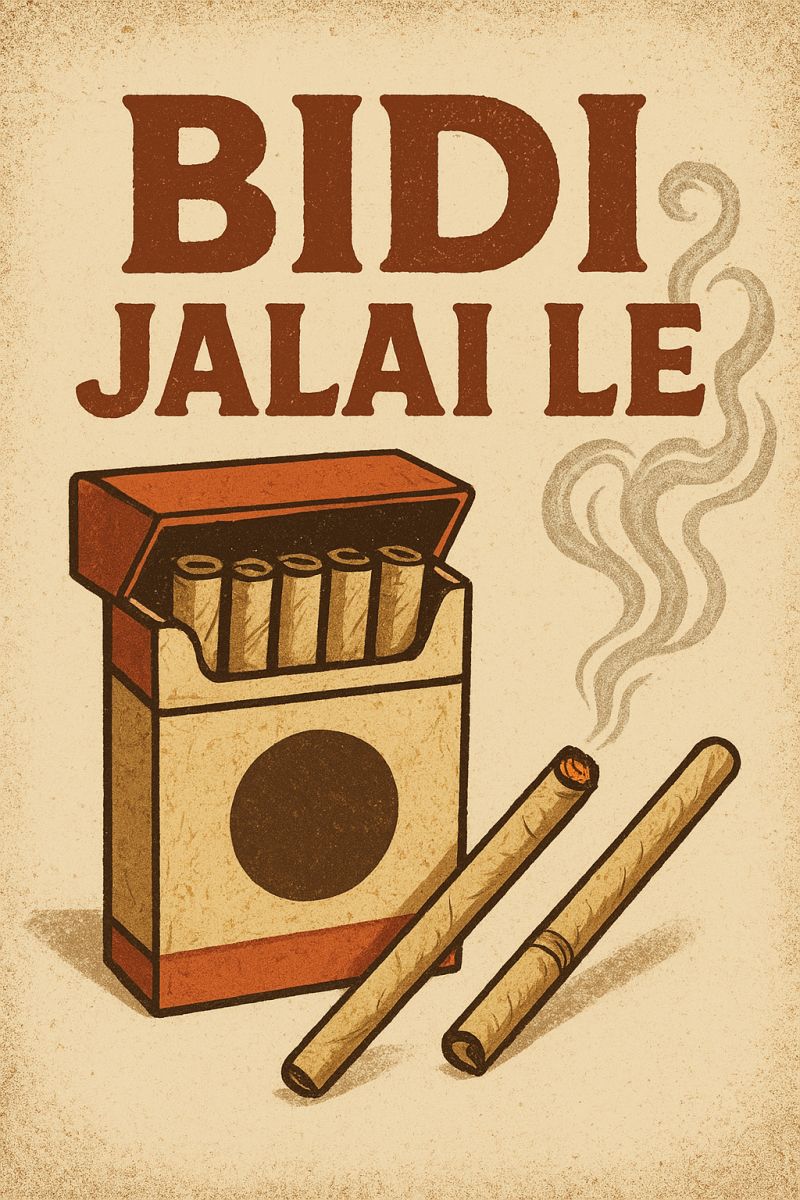
For years, the humble bidi has been the unglamorous cousin of the sleek, branded cigarette. It's the smoke of the masses, rolled by hand and sold for pocket change. But in a world where everything from artisanal coffee to handcrafted soap gets a glow-up, could the bidi be next in line for a rebrand? The recent GST adjustments in India have thrown a surprisingly bright spotlight on this unassuming stick of tobacco. While fancy cigarettes and other "demerit" tobacco products got hit with a hefty 40% tax, the bidi's rate was slashed from 28% to a friendly 18%. This isn’t just a small tax break; it’s a red carpet welcome. It signals a major shift in policy, likely to protect the livelihoods of the millions of rural women who depend on bidi rolling for their income. So, what does this mean for the bidi's future? Big Tobacco's Next Big Thing? This tax break could be the golden ticket for corporate giants. Why wouldn't they want a piece of a market that accounts for 85% of all smoked tobacco in India and just got a massive tax advantage? Imagine the possibilities: Goldflake Bidi or Marlboro Bidi. These brands already have the infrastructure and marketing muscle to transform a cottage industry product into a mainstream sensation. We could soon see "premium" bidis with sleek packaging and slick ad campaigns. The Export Boom The bidi’s unique, rustic charm and affordability have already found a niche market abroad, with India being a major exporter to countries like the U.S. and UAE. With a more favorable tax regime and corporate backing, the "branded bidi" could become a significant export commodity. The next "Made in India" success story might not be software or spices, but a simple, hand-rolled bidi. A "Sustainable" Product? This one might sound like a stretch, but hear me out. In an age of conscious consumerism, the bidi’s manual, decentralized production could be marketed as a "sustainable" or "handcrafted" product that supports rural employment. While it's a tobacco product and its health risks are undeniable, the narrative could shift to highlight its social and economic benefits, a truly bizarre but plausible marketing twist. This new chapter for the bidi is a fascinating case study in economics and social policy. It shows how a simple tax decision can shake up an entire industry, creating opportunities for the old to become new again. And for a generation facing rising costs on everything, it offers a stark truth: Gen Z can now buy death at an affordable price. बीड़ी जलाई ले, जिगर से पिया जिगर मा बड़ी आग है धुंआ ना निकारी ओ लब से पिया जे दुनिया बड़ी धांक है


© 2024 All copyrights reserved by imagenshape